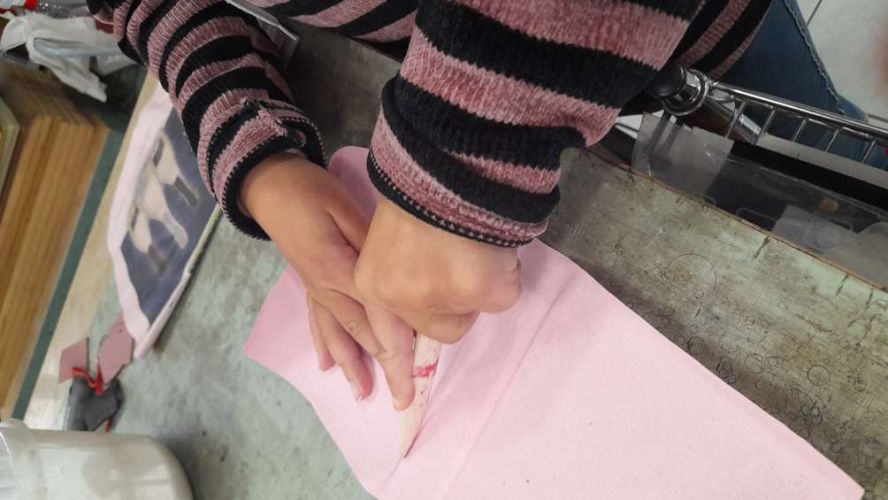
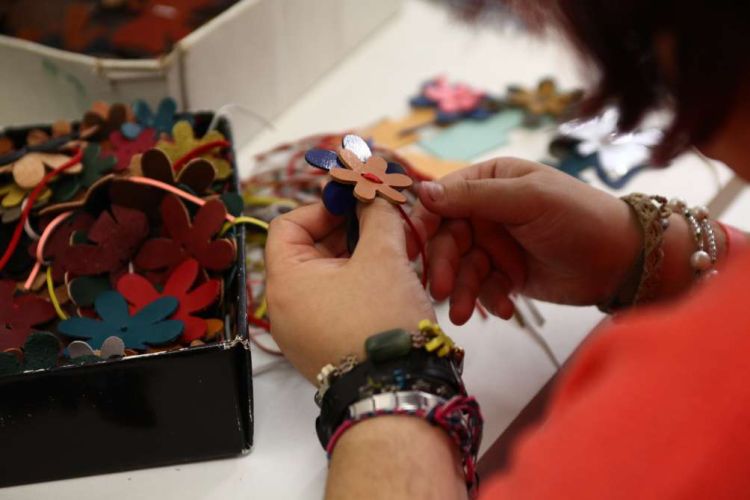
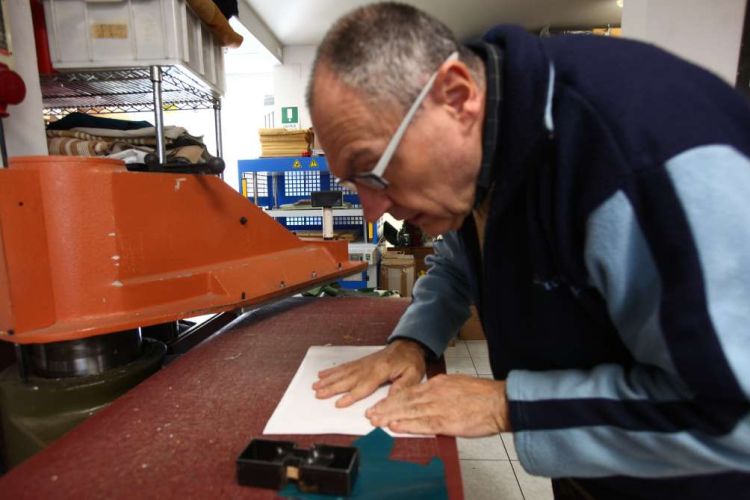
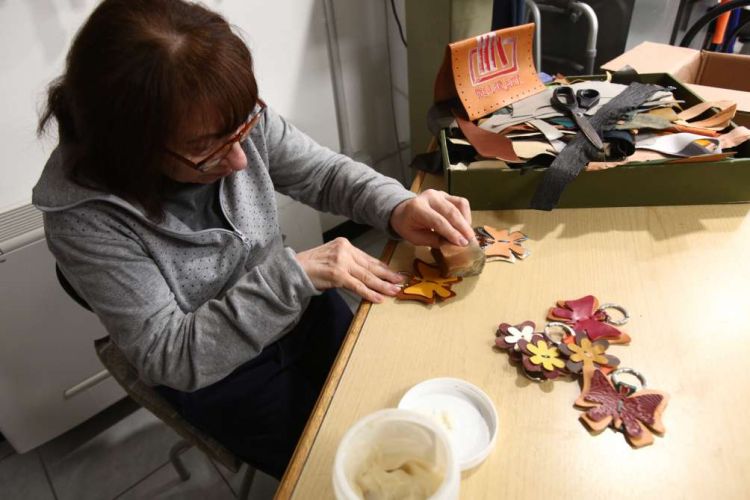
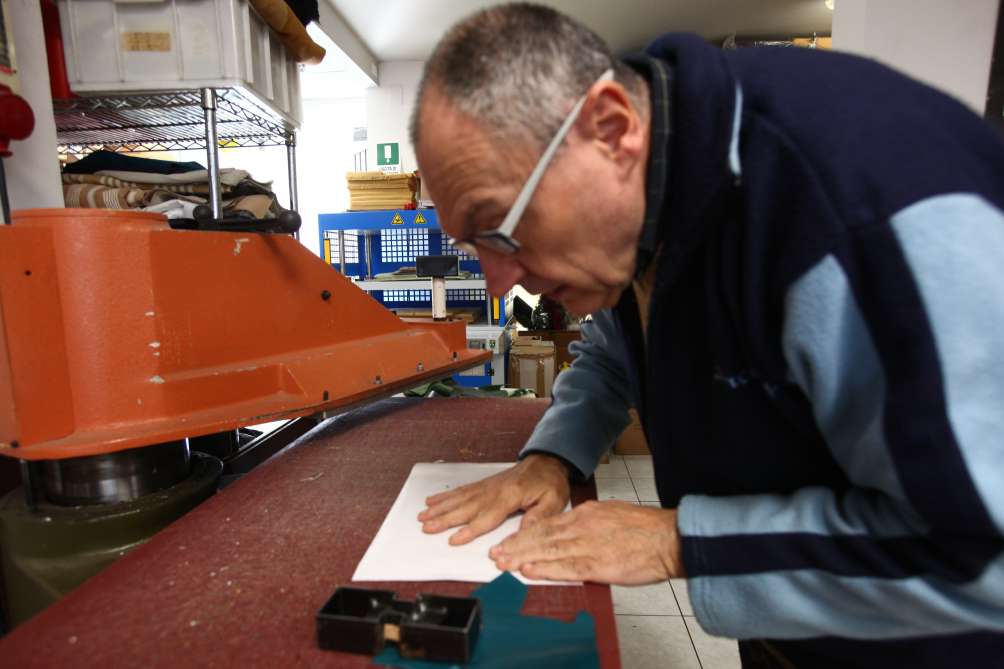
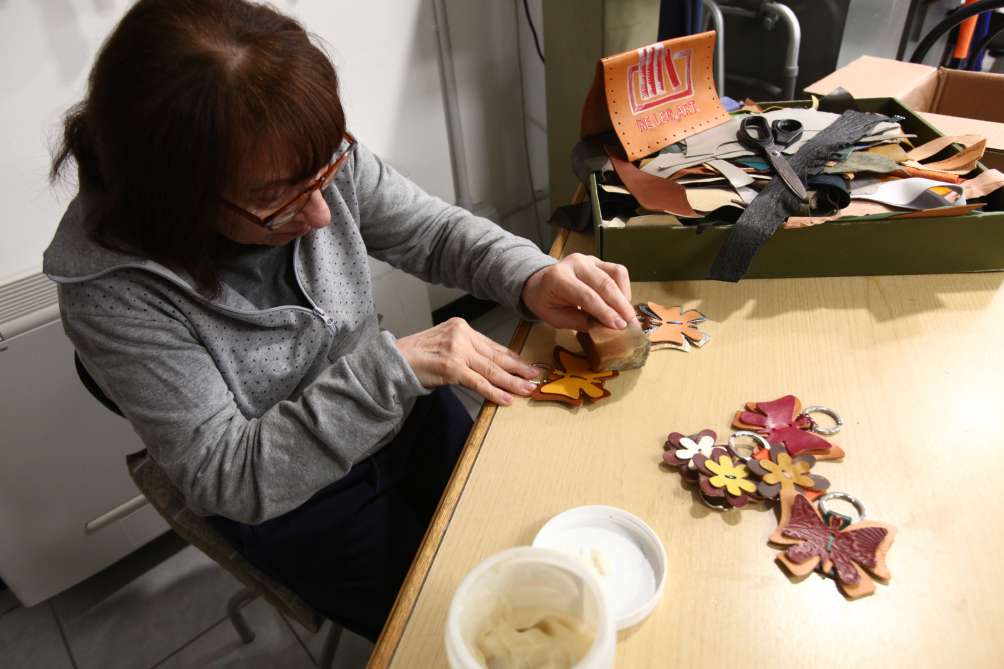
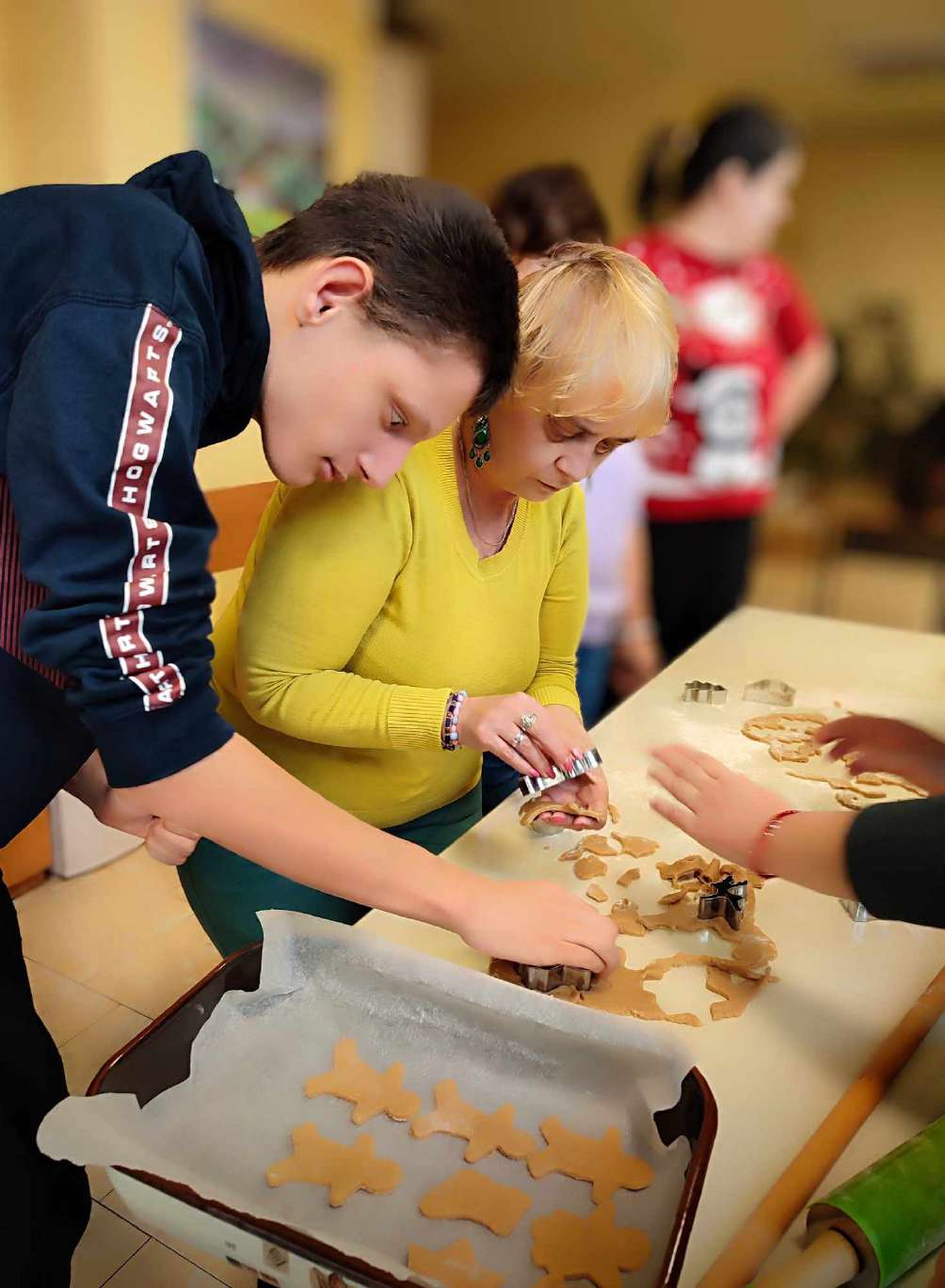
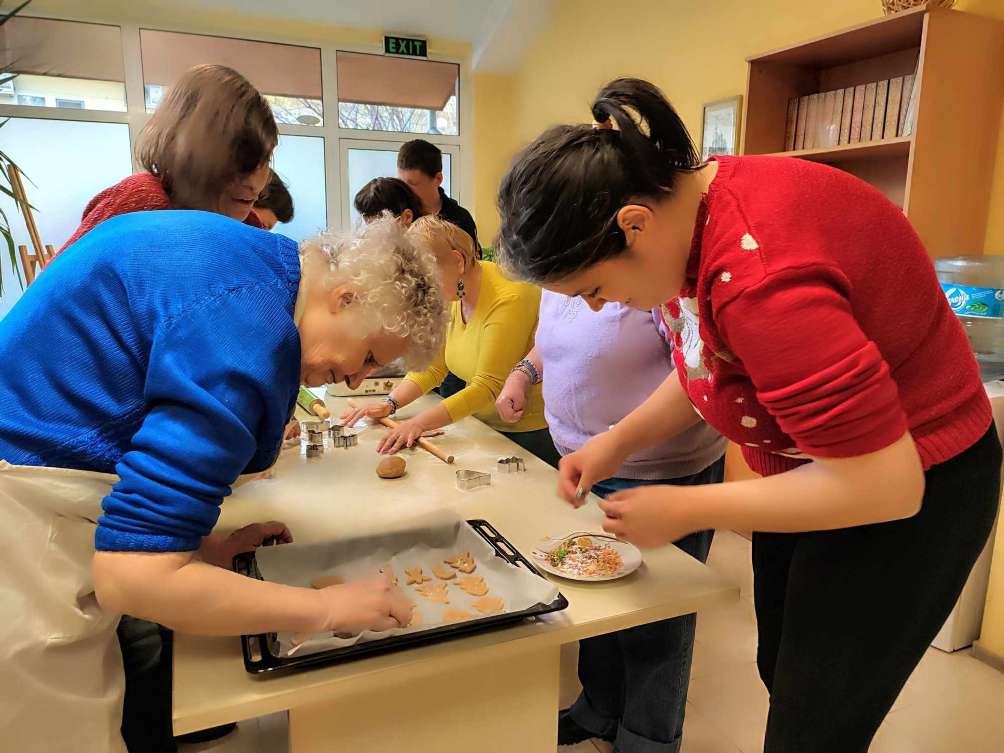
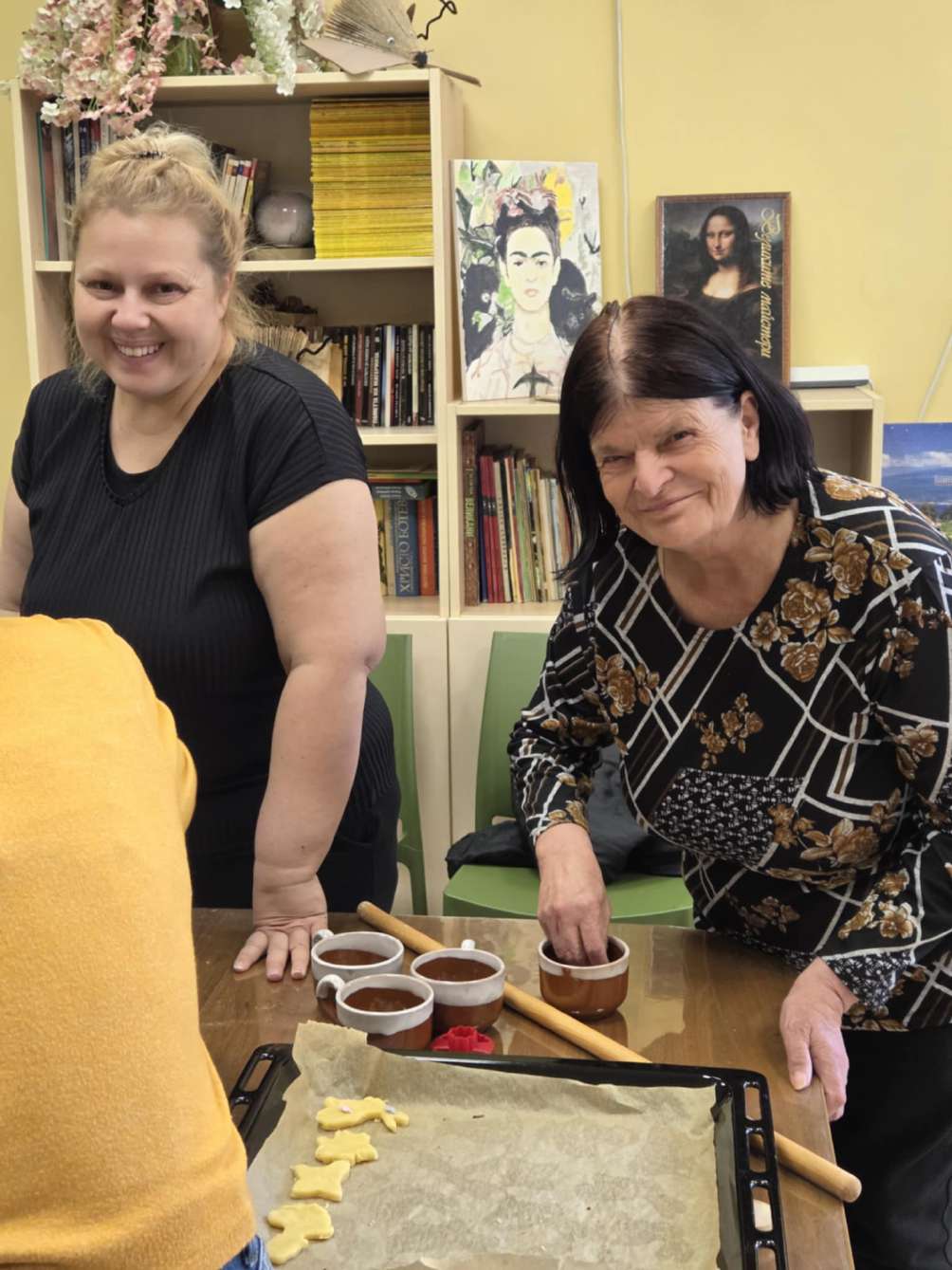
The goal of the TAOH project is to develop a standardized and transferable model for the labor inclusion of vulnerable people, including individuals with disabilities, autism, mental illnesses, and migrants, using artisanal production as a pathway to employment.
The project aims to bridge the gap between training and the labor market by creating vocational modules that integrate technical and transversal skills, made accessible through an e-learning platform and hands-on workshops in Italy and Bulgaria.
Concrete goals include supporting small and medium-sized enterprises in adopting inclusive and eco-sustainable methodologies, integrating recycled materials, and promoting social innovation.
Through transnational cooperation and the involvement of policymakers, TAOH aims to validate methodologies that can be replicated across Europe, influencing EU strategies to ensure equal opportunities, democratic participation, and a tangible improvement in the employment of disadvantaged groups in the European economy.
The e-learning platform is a tool designed to support both project facilitators and beneficiaries throughout the training process. It offers educational materials, introductory slides, handouts, questionnaires, and other useful resources, tailored to the specific needs of each group.
The platform serves as a central hub for organizing and sharing information essential to the project’s execution, fostering learning, activity monitoring, and workshop preparation. Through a unified, accessible digital environment, facilitators and beneficiaries can access content, follow the training program, and utilize the available tools to actively participate in the various stages of the project.
The first activity involves research to identify standardized parameters for employment inclusion models for people with disabilities in artisanal settings, through a comparative analysis of the partners’ best practices.
Each partner will conduct at least five interviews per country with organizations active in employment inclusion, to map selection criteria, relationships between people and work environments, eco-sustainable practices, and methodologies that demonstrate the positive, including therapeutic, impact of inclusion.
The activity will lead to the creation of a database to support the TAOH model and a digital document with shared data and analyses, published on the Erasmus+ Project Results platform and the TAOH prototype platform.
The project involves designing a model and training modules for people with disabilities, integrating artisanal skills and transversal abilities useful for employment (relationships, communication, space management, sustainability, respect for rules and schedules).
ARIS will develop the model and integrate it into an asynchronous e-learning platform on Moodle CMS. The intended audience is partners, public administrations, employment services, and SMEs; the modules will be accessible to all interested organizations. The TAOH prototype will offer operational and sustainable solutions, benefiting adults with disabilities, families, and communities, promoting inclusive work environments and collaboration with services and businesses.
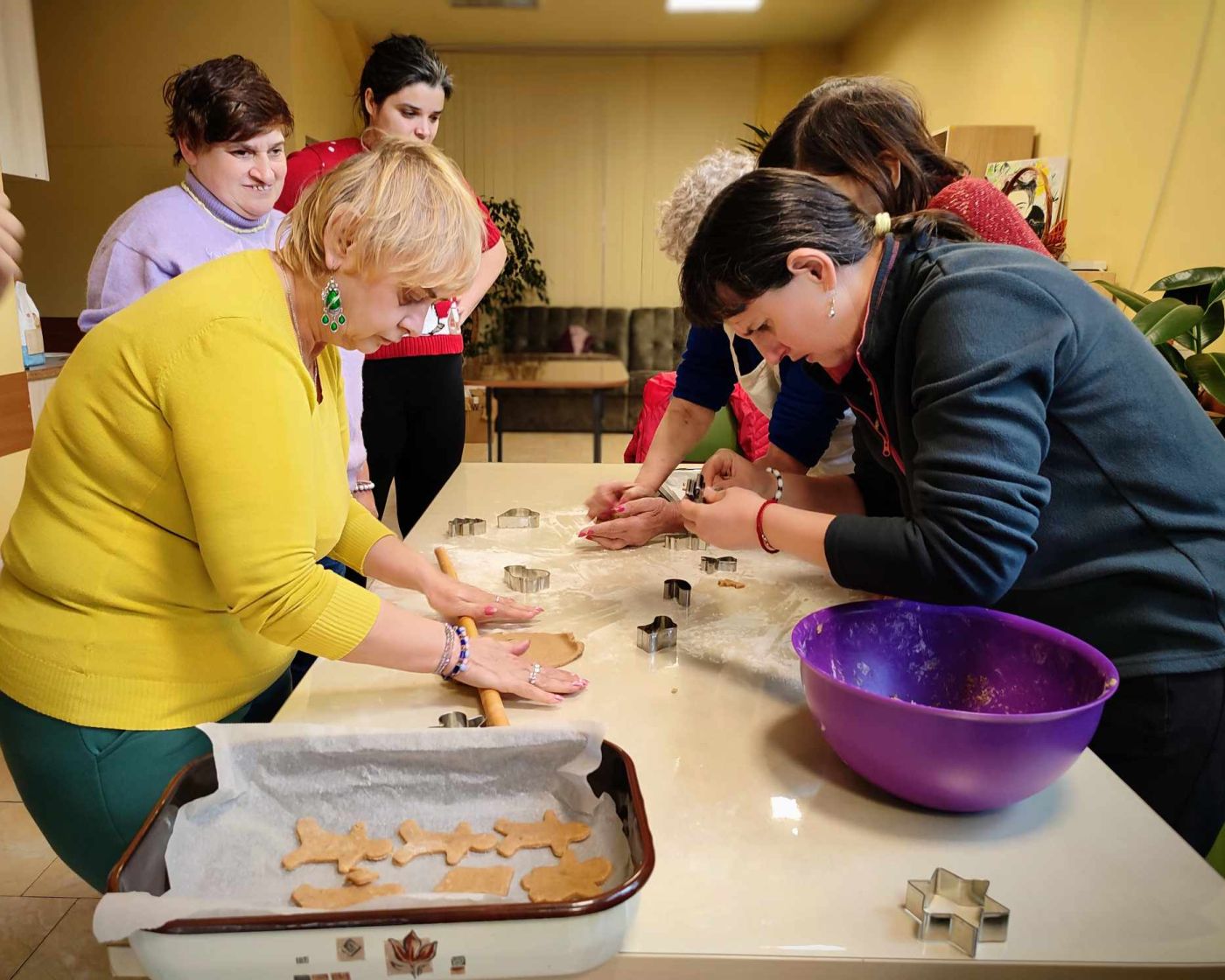
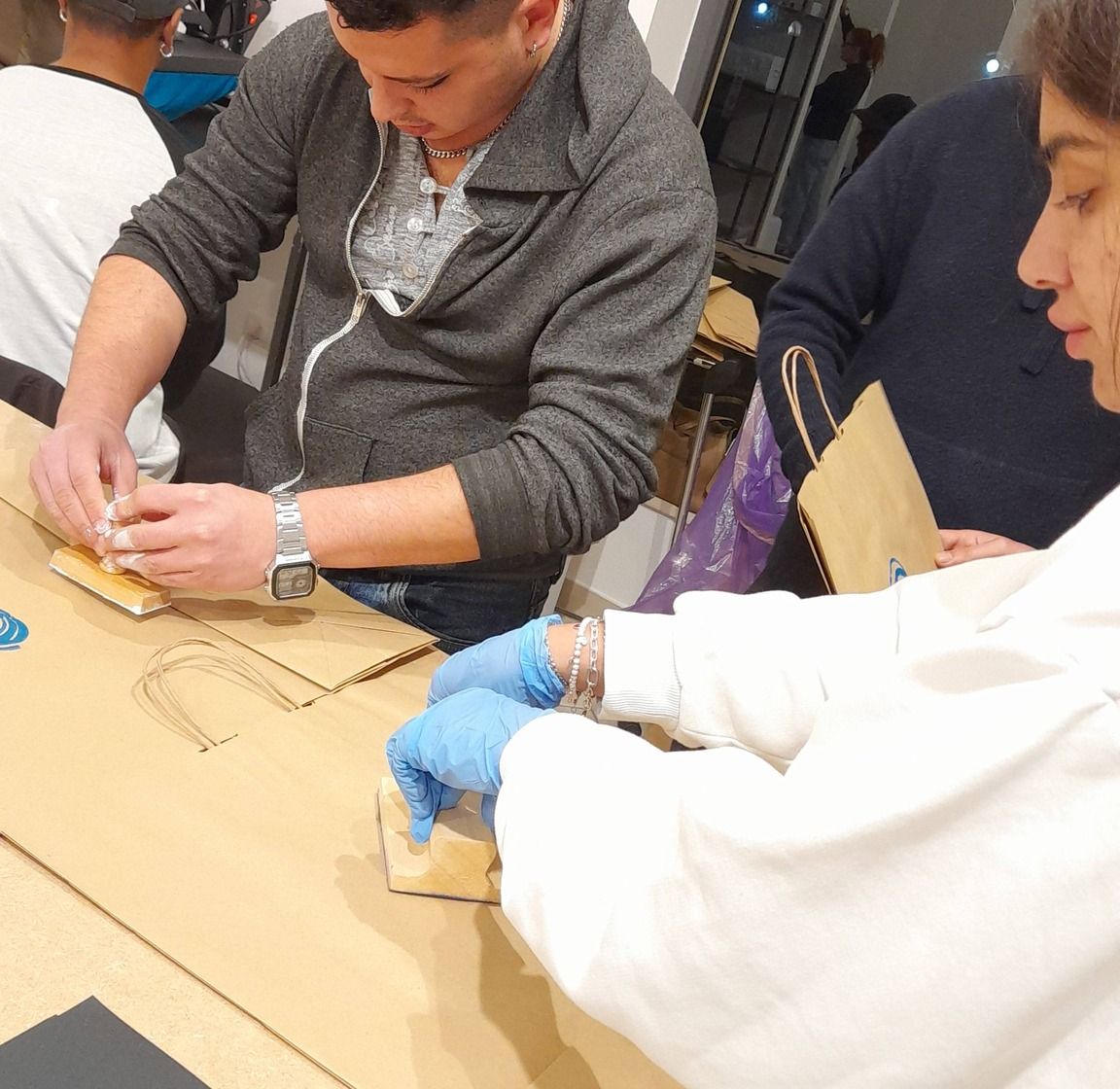
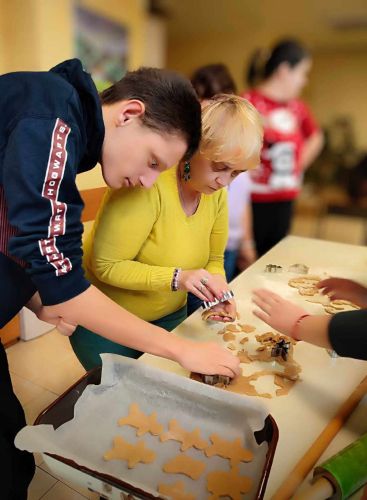
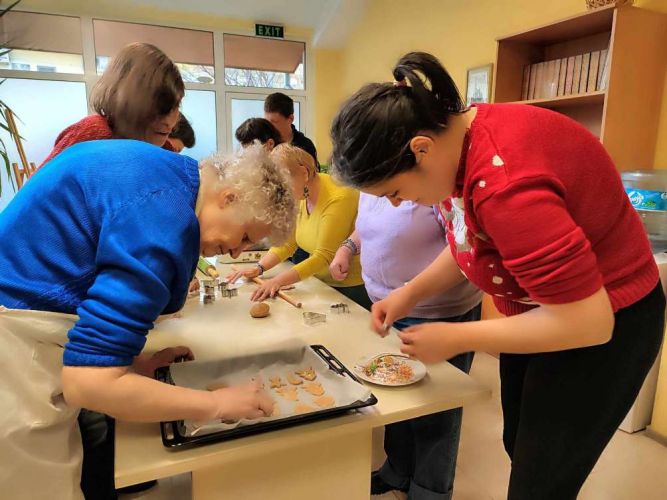
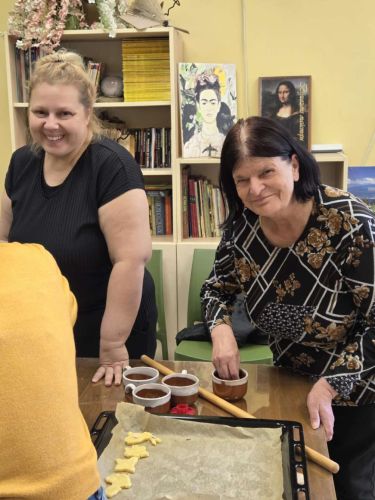
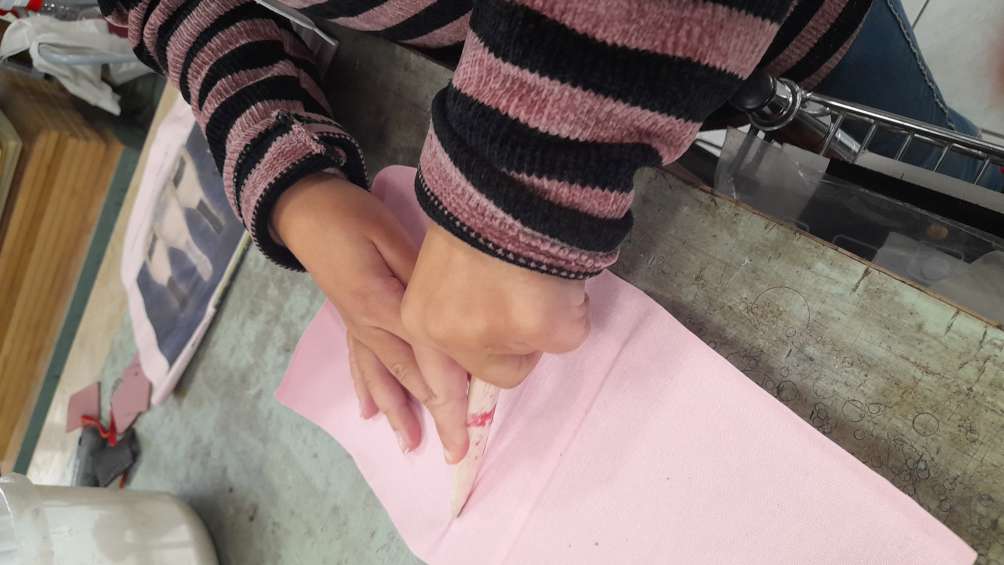
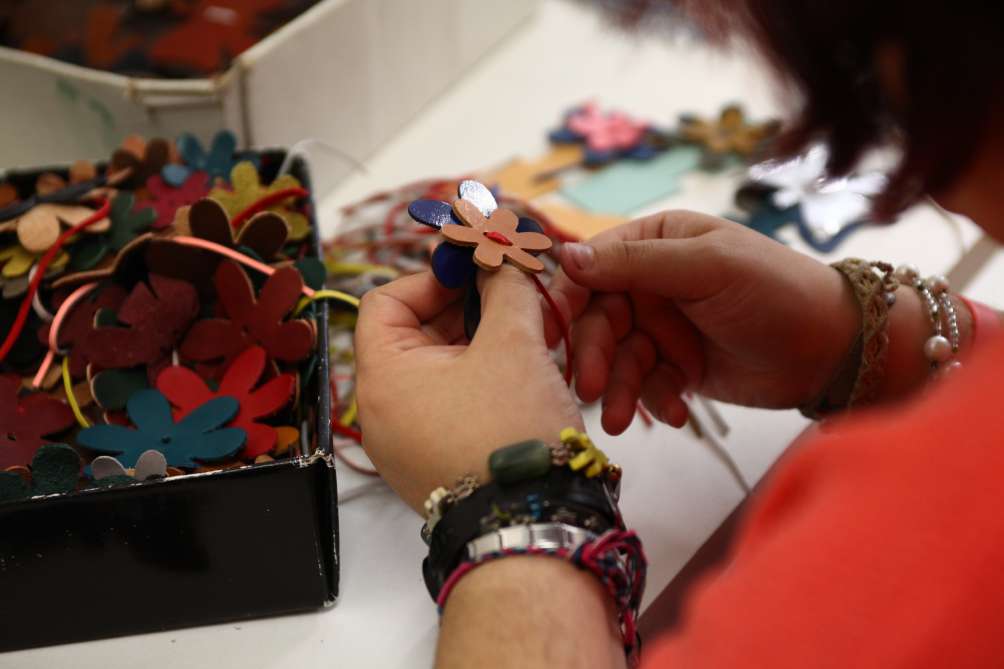
The initiative validates the first version of the TAOH prototype by involving adults with disabilities and stakeholders in Italy and Bulgaria (at least ten participants per country) through five-month workshops to test its effectiveness and accessibility. E-learning modules will be tested, focusing on empowerment and transversal skills.
During the program, acquired skills will be assessed, feedback will be gathered through focus groups, and meetings will be organized with social services and businesses to improve the model. The initiative strengthens the professionals’ skills and produces a more effective prototype, benefiting participants in terms of confidence, self-esteem, and personal growth.
The Benchmark Meeting is a strategic phase of the TAOH project to validate and refine the labor inclusion model prior to implementation. Partners analyze best practices, stakeholder feedback, and preliminary results to optimize the prototype, reviewing mapped practices and the results of at least five interviews per country, defining e-learning modules and content, and establishing evaluation criteria and impact indicators.
Relegart and ARIS for Italy and EUROTRAINING for Bulgaria participate, along with stakeholders such as social enterprises, training providers, policymakers, and organizations active in the protection of persons with disabilities. Partners validate the results and plan the pilot phase, while stakeholders ensure consistency with the labor market. Indirect beneficiaries include training providers, social enterprises, SMEs, and disadvantaged individuals, who will benefit from an inclusive model geared toward employability.
The closing meeting and final conference conclude the TAOH project, disseminating the results, assessing their impact, and defining the sustainability strategy. The validated model, training materials, and pilot results will be presented, with a discussion on adoption, scalability, and integration into education systems and labor policies, as well as dissemination and follow-up activities.
RELEGART and ARIS for Italy and EUROTRAINING for Bulgaria will participate, along with training institutions, businesses, and public authorities. Indirect beneficiaries will be vocational training students and teachers, social enterprises, SMEs, people with disabilities, and other vulnerable groups, who will benefit from increased training and employment opportunities.